-
Follow (RSS)
Get it free!
Archives
Around the Net
Best of Buckley
- Artificial Intelligence and Nietzsche
- Happiness is Not the Goal
- Hating Twilight Does Not Make You Cool
- How Precision Kills Communication
- How to Write Clearly
- Miswanting
- Reading Van Gogh
- Sixteen Simple Rules for Writers
- Staring at Rectangles
- The Joy of Hubris
- The One-Step Guide to Getting Published
- These Are a Few of My Favorite Things
- You Do Not Even Have to Believe in Yourself
Tags
Art Artificial Intelligence Ask an Overmind Ask Brian Anything Avatar Babyology Buffy Copyediting Fiction Forty-Minute Story Friday Links Frozen Great Bible Read Haiku 365 NSA domestic spying Philosophy Poems Postmortem Restore the Fourth Riddle RPG Maker Scientology Singularity The Crane Girl The Federalist Capers The Witching Hour Transcendence Yoda vs. Everybody
Category Archives: Uncategorized
ImageHaiku of Summer, month 3
I was planning to do a haiku per day for the whole summer. And I made pretty good progress: see month 1 and month 2. But in the third month … well, to paraphrase Alan Jackson, who was paraphrasing Eddie Cochran:
Sometimes I wonder
what I’m gonna do
’cause there ain’t no cure
for the summer haiku.
Life gets busy, time gets short, the poetry backlog gets long, and eventually you just gotta cut your losses.
Still, I completed 74 of a planned 94, which is 74 more than zero. So without further rambling ado, here’s what I wrote in the third month of summer:
#63 — 8/27/18
Concrete is cracking,
inch by inch, year by slow year.
Nature is pushing.
#64 — 8/27/18
Luminous, gibbous
globe wider than Kazakhstan
hangs in the treetop.
#65 — 8/28/18
Dawn light drips over
brick-and-vinyl horizon
and evaporates.
#66 — 8/28/18
T-shirt to be washed
lies limp on cool bathroom floor
dreaming of sunshine.
#67 — 8/28/18
Razor scrapes my skin,
once more rebuking nature’s
tiny excesses.
#68 — 8/30/18
Headlights plow darkness
like snowplows clear away snow,
piling shadows deep.
#69 — 8/30/18
Warm dusting of rain
taps out softly on my skin
messages from clouds.
#70 — 8/30/18
Old routine, routine:
worn thin, rearranged, re-trod.
Trails change; same old dirt.
#71 — 8/30/18
Lightning like anger
flashes distantly, thunders,
and gives meager light.
#72 — 9/7/18
Tonight I can see
why this pitted white crescent
was called a goddess.
#73 — 9/7/18
Turn signal, little
heartbeat, reminds its master
that a path can change.
#74 — 9/7/18
A long, jagged rip
in the cloudfront exposes
imperial gray.
Postmortem: The First Congress
I had a long dry spell — over nine months — where I didn’t read a single book from start to finish. I was still reading, of course: I started some books without finishing them, I read a lot of stuff online, I read 27 volumes of manga (Claymore — pretty good), and I read some books of the Bible (which I don’t consider “books” in the normal sense). Still, I’m glad I finally broke that bookless streak.
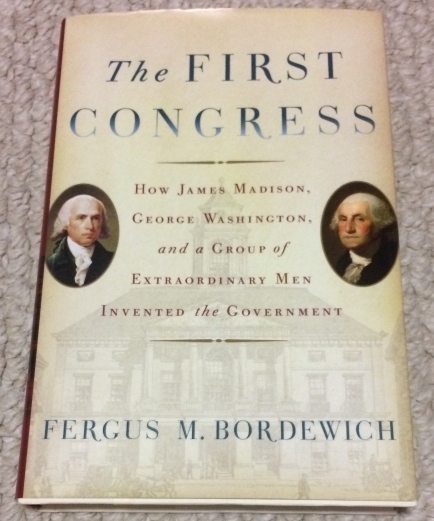
The First Congress, by Fergus M. Bordewich, gives a great insight into how the U.S. government really formed. In school, you learn about the Declaration of Independence, the Revolution, the Constitution … and then early U.S. history, like the Louisiana Purchase, Lewis & Clark, and the War of 1812. That’s all fine, but it does skip a very important step, something I’d rarely thought about before: How did we get from a piece of paper (the Constitution) to an actual, functioning government?
Picture it: The year is 1789. The Constitution’s just been ratified, replacing the weak-sauce Articles of Confederation. The United States are finally united, at least in theory — all eleven of them (North Carolina and Rhode Island haven’t accepted the Constitution or statehood yet). The first president, the universally beloved George Washington, arrives in New York City (the nation’s temporary capital). Congress arrives too — the House of Representatives has 65 congressmen, and the Senate has 22 (although it takes a while for all of them to show up).
You’ve got a quorum, you’ve got public support and goodwill, you’ve got this fabulous piece of paper. What you don’t have is any federal government whatsoever, apart from yourselves. Your country is militarily weak, massively in debt, full of internal divisions, and not generally expected to survive. You have few resources, no federal laws, no precedents, and no judicial branch whatsoever at the federal level. You need to build an entire government from scratch, following a structure that’s never been tried before. And you need to do it right now.
And … go!
It’s crazy, isn’t it? But The First Congress takes you to the center of the craziness and makes you feel like you’re really there. The author gives lots of quotes from everyone involved, letting you hear what happened in their own words. He shows the issues from all sides. What’s more, he offers all sorts of details on how life was back then, from food to newspapers to public sanitation.
Major lessons from this book:
- The first Congress and the current Congress have a lot in common. Partisan gridlock, pettiness, and scandal are nothing new. We worry about gerrymandering (and rightly so), but the first Congress included the original gerrymander-er, Elbridge Gerry himself. The bickering and infighting over where to place the nation’s permanent capital went on for a staggering length of time. For me, this insight inspires hope rather than cynicism, because it means we’ve conquered these obstacles before and we can do it again.
- The Founding Fathers were just human beings. They were great humans who did great things, but they were all deeply flawed as well, in a variety of different ways. You often see some quote attributed to Jefferson or Madison, as if that alone makes it true — but Jefferson and Madison were both wrong (and naive) about all sorts of things.
- Moreover, the Founders disagreed and argued constantly among themselves. That isn’t a criticism, just a reminder that the oft-cited “what the Founders intended” was often not any single thing. This whole states’-rights-versus-federal-power debate has raged from the very beginning. What does the Constitution really mean? Simply put, nobody knows, and nobody knew back then, either. (Of course, that’s not to say that all interpretations are equally valid.) In many ways, we actually have better insight into the Constitution today, because we have the benefit of learning from past mistakes.
- Alexander Hamilton is severely underrated, the musical notwithstanding. As a kid, I wondered why he was on the $10 bill when he wasn’t even a president. It turns out that, in addition to living an utterly fascinating life, Hamilton was a crazy-smart economics geek at a time when “economics” was kind of a new thing. He built the U.S. financial system virtually from scratch, using debt in brilliant (and mostly ethical) ways to build up American credit at a time when a huge number of Americans regarded debt as inherently evil. And it worked.
- John Adams, by contrast, comes across as rather overrated — at least in this author’s narrative. His fragile ego, frequent outbursts, opposition to free speech, admiration for glamorous foreign leaders, and general grandiosity, all remind me a little of a certain other U.S. president. (Relax — I said a little.)
- Nothing is simple, especially in history. If someone tells you otherwise, tread carefully.
That’s all for today. Have an outstanding weekend!
Busy busy
Lots of stuff to talk about, but not much time for talking. My schedule next week should be a bit looser.
Hope life’s treating you well!
Posted in Uncategorized
Solemn thought for today
In conversation, the phrases “they’re undeterred” and “their undie turd” are distinguishable only by context.
Posted in Uncategorized
Haiku of Summer, month 2
A continuation of the Haiku of Summer challenge (see first month here).
#34 — 7/24/18
House full of darkness
before dawn, warm and waking,
murmurs of night’s end.
#35 — 7/25/18
To the spider who
overnight spun a nest tied
to a parked car: Sorry!
#36 — 7/26/18
The wind stomps around
slapping flags, shaking their stripes,
tugging them to life.
#37 — 7/27/18
Motions of routine
inaugurate each sunrise,
put each moon to bed.
#38 — 7/31/18
Cool cantaloupe sky
opens ripe and clean, over
roofs and brick chimneys.
#39 — 7/31/18
Now I hear my wife
upstairs: hair dryer, footsteps.
Geese go by outside.
#40 — 7/31/18
Daytime miracles —
having good work and good food,
inhaling the breeze.
#41 — 7/31/18
Wires and LEDs
slither and flash like pale vines
and clouded starlight.
#42 — 8/1/18
Early afternoon
settles uncomfortably
on a floating house.
#43 — 8/3/18
Evan points upward
and shouts “Mmm!” Sewn on the sky,
bright button: the moon.
#44 — 8/3/18
Empty coffee mug.
Empty yard awaits the rain.
Patience for fullness.
#45 — 8/5/18
Snow-ribbed mountainside
naps serenely over trees;
desktop wallpaper.
#46 — 8/5/18
Storm of joy and gifts,
thunder of barking and tears.
Weekend winds recede.
#47 — 8/6/18
Voices in the car
flow calmly from radio.
Crickets when I park.
#48 — 8/7/18
Ten thousand small tasks
clamor like minnows for time.
Whales dive deep, unseen.
#49 — 8/8/18
Child cries: four-forty.
Overcast. He clings to me.
Love dawns before light.
#50 — 8/10/18
Below horizon
or behind clouds? I can’t say
where the moon’s hiding.
#51 — 8/10/18
Beep, beep! Toast is done.
Brittle and crunchy and brown
like deep-August grass.
#52 — 8/11/18
Yesterday raindrops
fell in the sunshine, scattered
and bright, striking me.
#53 — 8/14/18
Map of the planet
hangs from wall — five billion years
summarized in ink.
#54 — 8/14/18
Small trees, leaning trees,
wait spring to fall, fall to spring:
sighing obelisks.
#55 — 8/14/18
Meteor plunges,
dies in the dark among peers.
I watch silent fire.
#56 — 8/15/18
Low, fluttering bird
circles strangely … now I see.
Low, fluttering bat.
#57 — 8/16/18
Indecisive rain
dampens yard, sputters and halts.
Sleep calls me back in.
#58 — 8/21/18
Waking at midnight,
not sure why, or what to do.
Shadows thick as fog.
#59 — 8/21/18
Room of sleepy ghosts.
Pale reflection in window
obscures the peach tree.
#60 — 8/21/18
Restless, my son stirs
on gray monitor, goes still
again. Cricket-song.
#61 — 8/21/18
Starlight races down.
Multitrillion-year journey
thwarted by shingles.
#62 — 8/21/18
Flowers in glass jar
lean on each other mutely.
It is time for bed.
Sesame Street cred
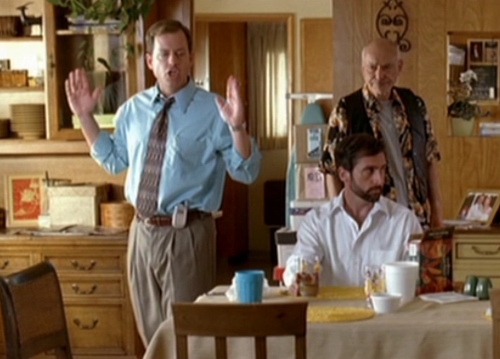
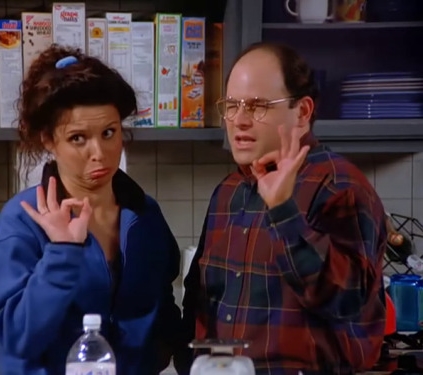
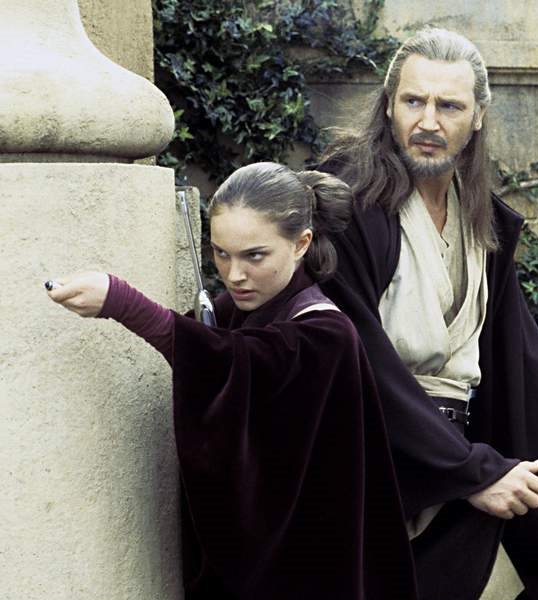
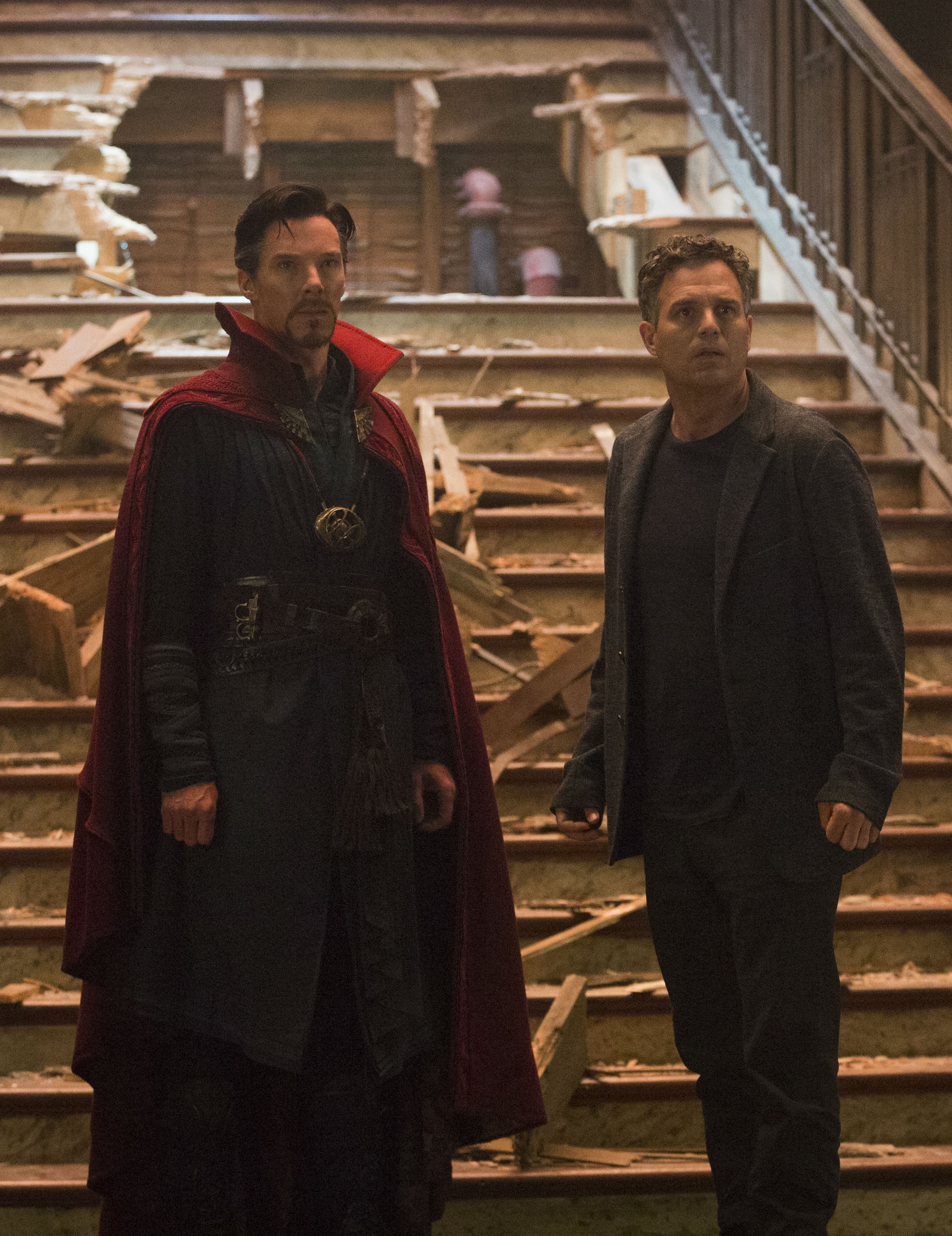
For a couple of weeks, Evan was in love with this Sesame Street video where Usher does the ABCs, and that got me thinking about other celebrities who’ve appeared on the show. I knew Katy Perry had done it, and I knew there were a lot of others.
So I did some digging.
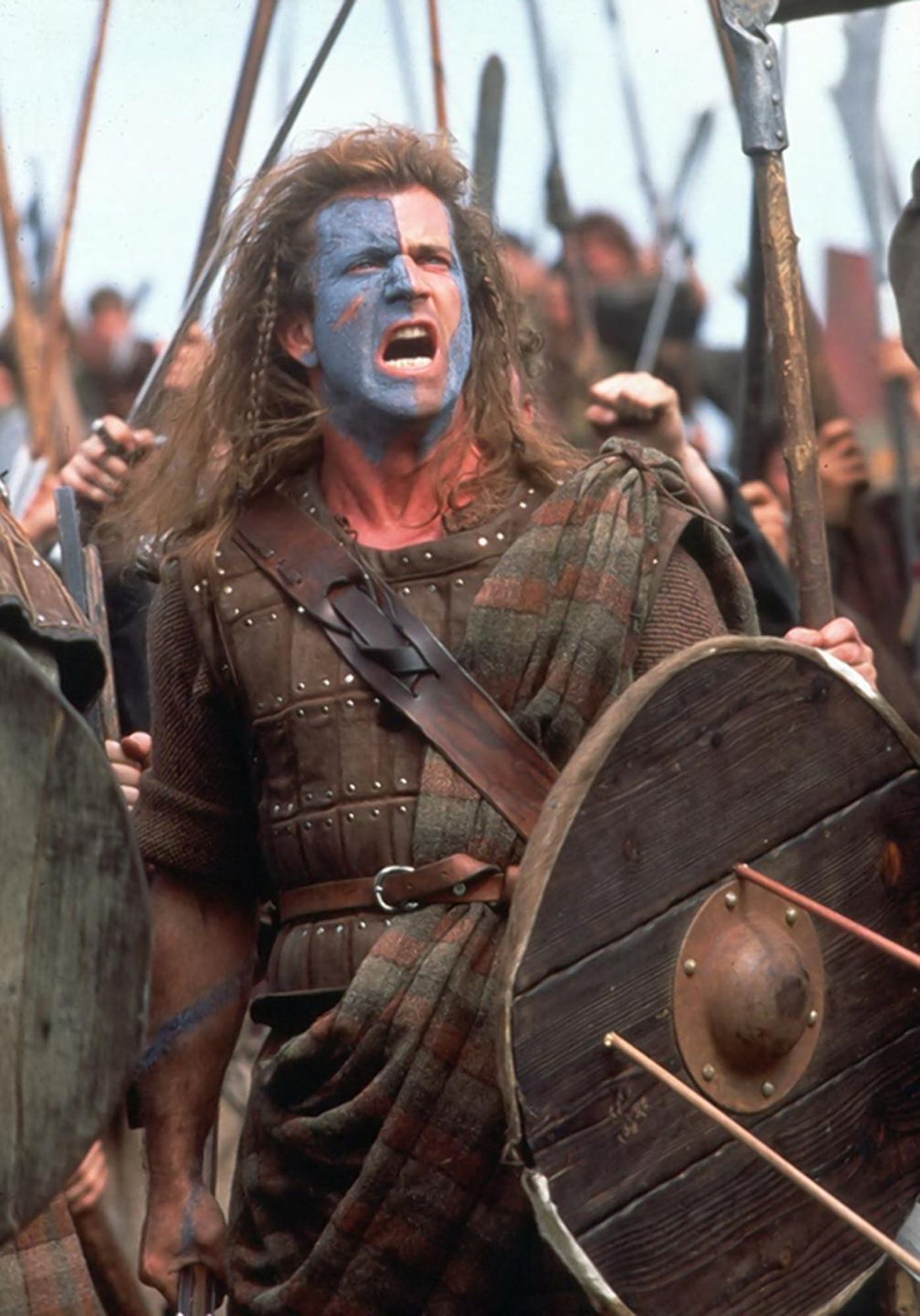
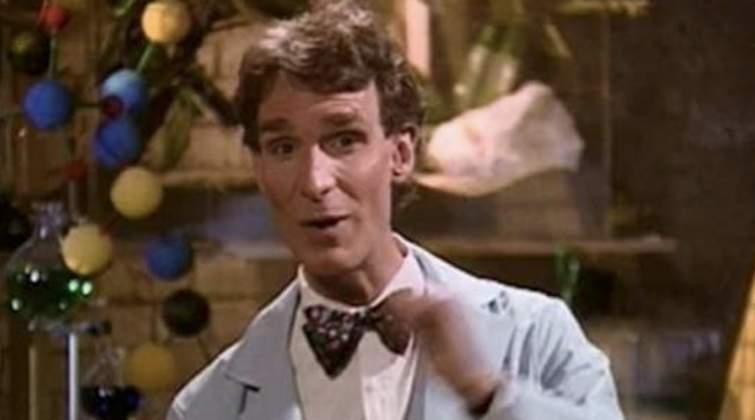
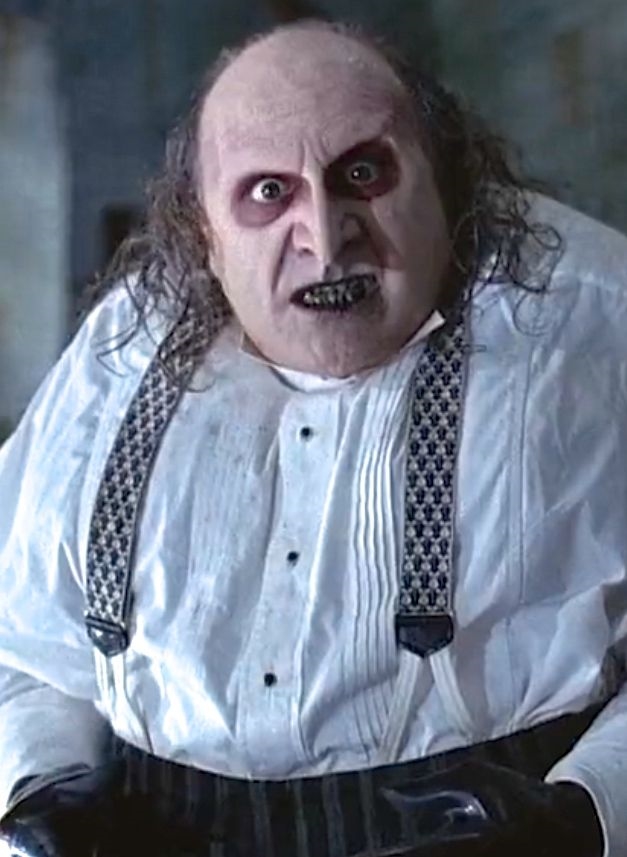
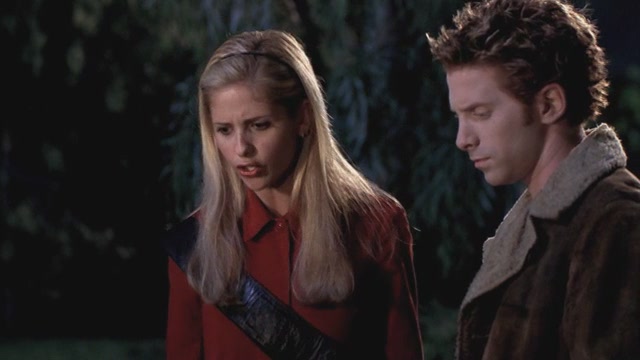
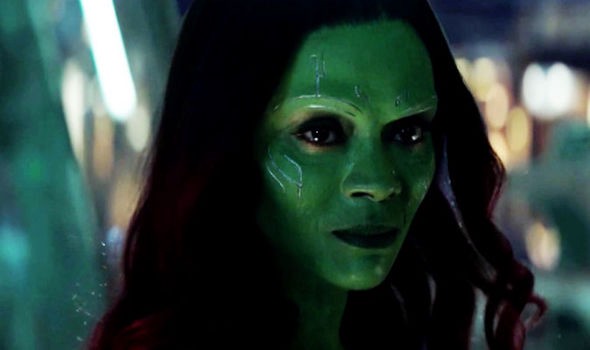
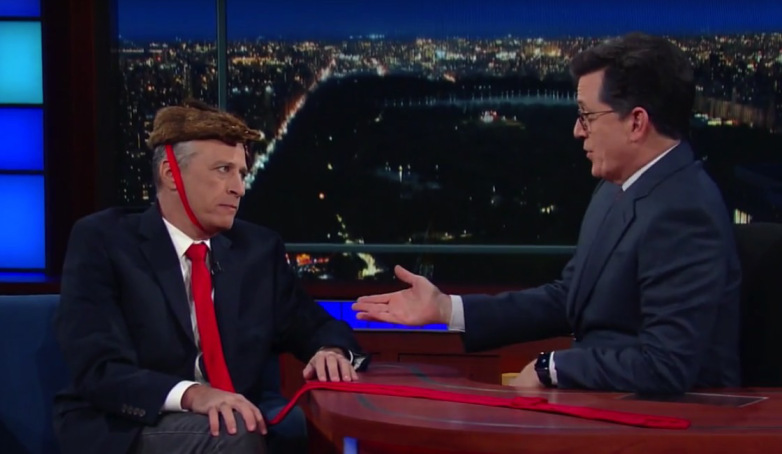
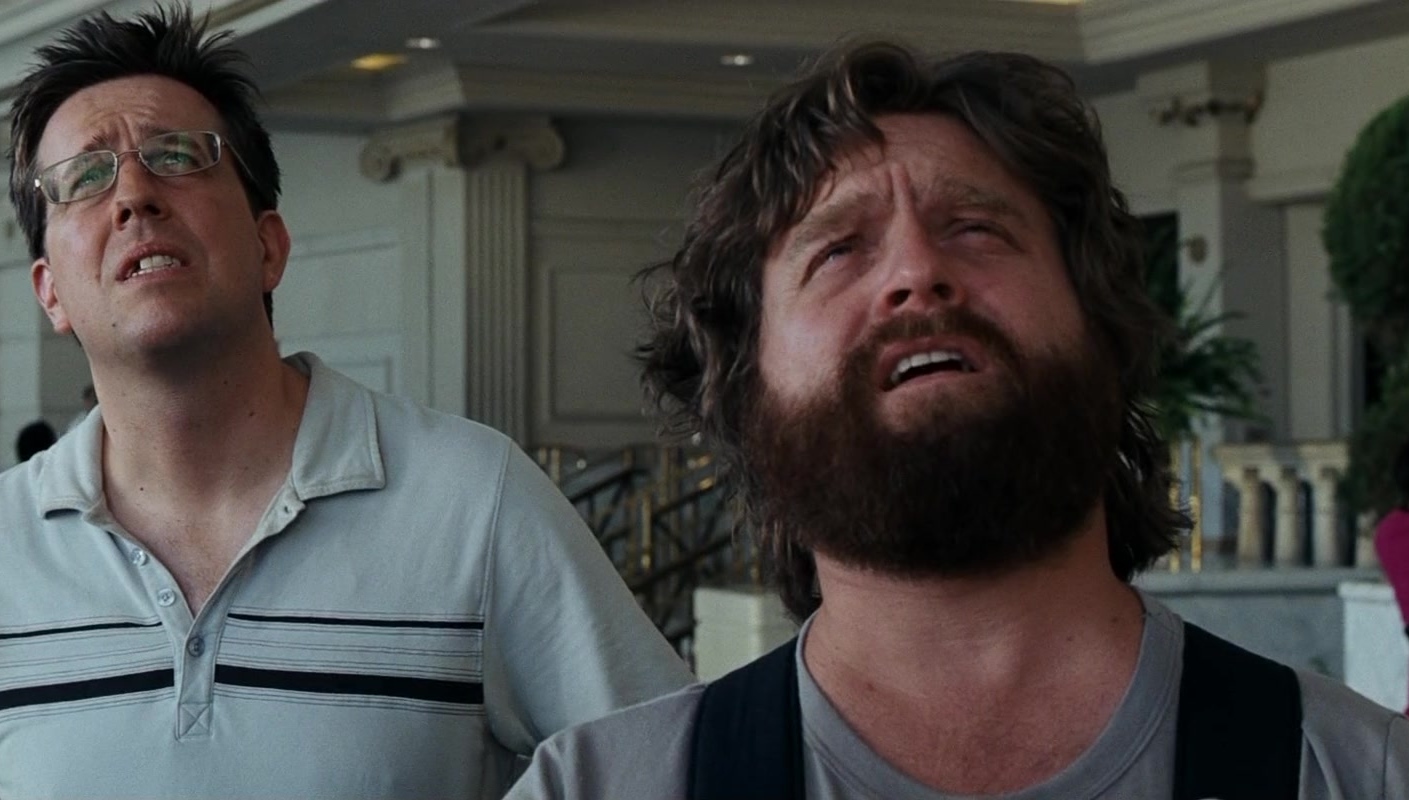
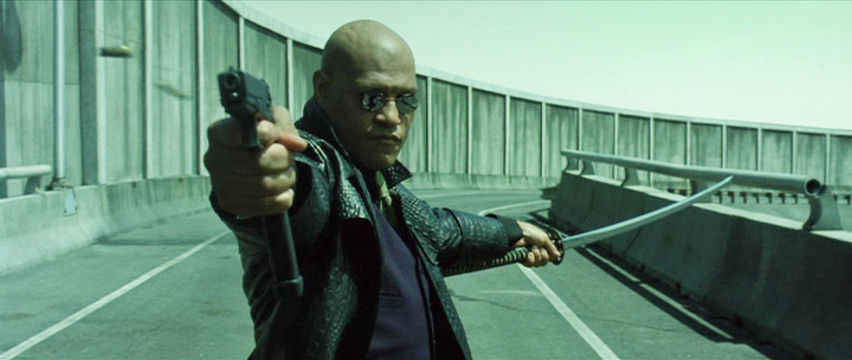
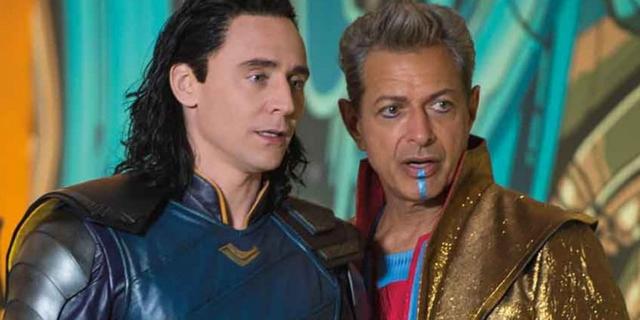
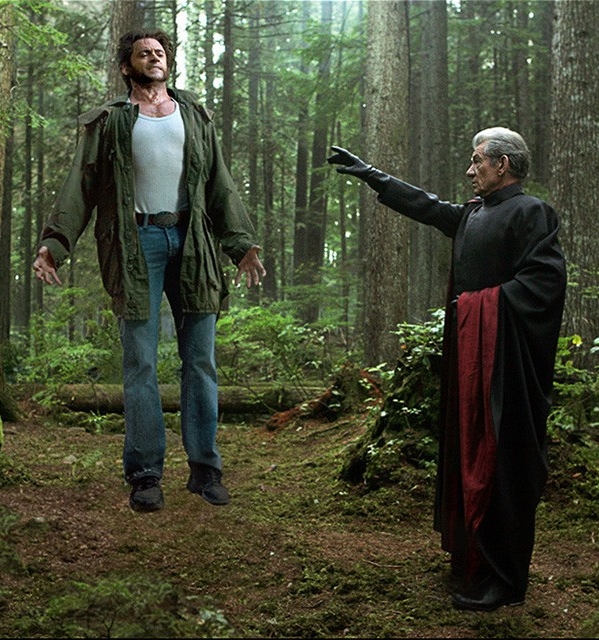
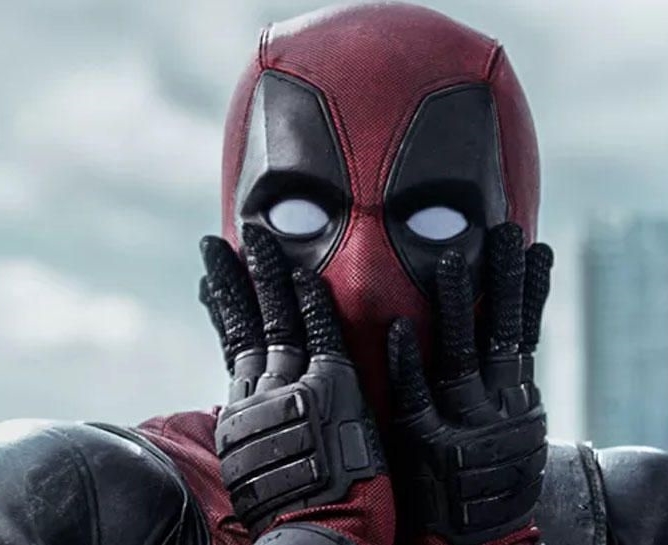
The sheer number and variety of famous people who have been on the show is staggering — and just seeing a list of names doesn’t quite convey it. So I took a little time and went the visual route.
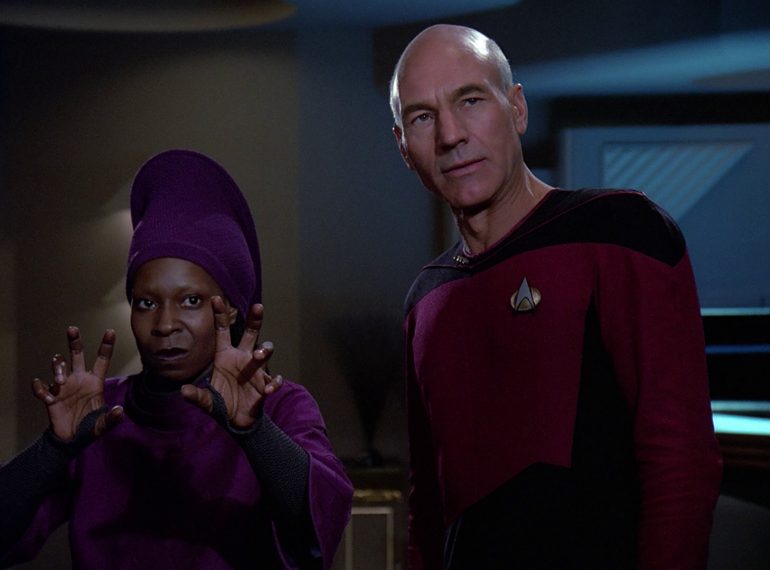
Every single actor below has been on Sesame Street at least once. This isn’t even close to a complete list — it’s just a sample. Enjoy.
Posted in Uncategorized
Doing the alphabet
Evan: I?
Me: I is for “Ides of March.”
Betsy: (shaking her head) Brian …
Evan: J?
Me: J is for Julius Caesar, who was killed on the Ides of March.
Betsy: Brian.
Evan: K?
Me: K is for “killed,” which is what happened to Julius Caesar on the Ide —
Betsy: Brian!
Posted in Uncategorized
Meteor!
I saw a meteor last night — a really long, bright one, very cool to watch. I went out around 10 p.m. for the Perseid shower and waited five or ten minutes, and didn’t see anything, till that one flashed overhead really quick — less than half a second. I called that Mission Accomplished and went back inside.
What have you seen in the sky lately?
Posted in Uncategorized