The Centipede’s Dilemma

You may remember that about a month ago, I bought a unicycle. Since then, I’ve been practicing every day most days, and I’ve gotten a lot noticeably better. I can now get on the damn thing easily, go forward a few feet pretty consistently, and not die when I lose my balance. Trust me, for a guy like myself, these are major achievements.

Most of all, I’m starting to build some confidence. The unicycle has become less a bizarre psychological torture device, and more a thing I might legitimately ride if I could just lean forward a bit farther at the right time.

Armed with that newfound confidence, I began practicing yesterday afternoon. As soon as I got on, I shit you not, this is what my brain did:

Hey, you’re on a unicycle! You got this! You have skills now, and you’re not even worried about falling. Which is kind of weird considering that you only have one wheel, so if you lean in any direction, you’re going to fall. I mean, how do you not lean? Is that even possible? Like, what the hell are you doing right now? Oh crap we’re overthinking this just go just go just go ZOMG DISASTER

That all flashed through my brain in about eight-tenths of a second.

Instincts work fine until you think about them. This phenomenon has a name: the centipede’s dilemma, so called for the creature who could no longer walk after someone asked him how he did it.

(As I mentioned once before, Garfield had the same problem in one of my favorite comic strips of all time.)

“Centipede’s dilemma” is a funny name for this, because real centipedes are (presumably) immune. This would seem to be a uniquely human problem. Only we are so good at thinking that we’ve figured out a way to muck up the things we’ve already learned.

Have you run into the centipede’s dilemma, or “the CD,” as psychologists (probably don’t) call it?
How to Write Clearly

Incontestably, the assemblage and transmission of epistemologically nontrivial entities via the employment of syntactically legitimate morpheme formations is the sine qua non of the epistolarian’s repertoire. Pursuant thereto, the reiteration that certain injunctions inhere within the composition’s modus operandi at a near-axiomatic degree of profundity cannot but be apropos. The aforementioned corpus of prescripts comprises the following dicta, here enumerated ipse dixit:

1. To the extent practicable, eschew brobdingnagian verbiage in favor of curtate monosyllabic lexemes.

2. Concomitantly, countenance laconic locution in lieu of pleonastic turgidity. Esteem breviloquence or invite contumely.

3. Obscurity obfuscates; ergo, to fructify articulation, abjure recondite phraseology and dubious hapax legomena. Utilization of the vernacular enjoys salutary repercussions in the resultant prose.

4. Insofar as memetic dissemination retains its primacy as the substratal desideratum of sapient colloquy, perspicuity supersedes stylistic pulchritude, alleged authorial erudition notwithstanding. Plethorically belletristic disquisition remains the shibboleth of the dilettante.

5. Obviate monotony by the abnegation of bromidic vociferations, adducing solely such constructions as possess the geminate faculties of novelty and sagacity.

Punctilious observation of the foregoing adjurations ineluctably precipitates sterling fruition. Excelsior!

“Progression”

it
begins
with a spark
a single focused shining point of glorious chaotic unbounded potential
that skyrockets luminously, whirling and twirling
until, gradually, the long, slow, patient pull of Gravity
exerts its ponderous effect
as life and vision intersect
and to the heroes now it seems
That their fine nucleus of dreams
Suspended oddly in the air
Requires work to keep it there –
So (thoughtlessly at first) they play the game
And place their stellar burst within a frame
Which, for some slight expenses here and there
Will place convenient fences at the bare
Chaotic darkened borders of the net.
They try, between their orders, to forget –
But paying for the fee, some bits were trimmed
And imperceptibly the light is dimmed
And something, neither black nor filled with fire
Tugs innocently backward toward the mire
Until at last, one day the gleaming rise
Is seen the ancient way through youthful eyes –
With nothing new to say, the glimmer dies –
And so comes an ending that is decidedly unpoetic.

I wrote this in November of 2005. It may not make a lot of sense without some interpretation. I wanted to show what it’s like to pursue a dream: the initial burst of excitement, the gradual introduction of structure and organization to keep the dream going, the way parts of the dream may be sacrificed for pragmatism along the journey, and the way the initial spark sometimes gets finally buried in a mire of logistics. The structure of the poem (rhyme, meter, punctuation, capitalization, repetition) was deliberate and carefully chosen to reflect the content.

Of course, other interpretations are possible as well.

Exploring Ohio Caverns

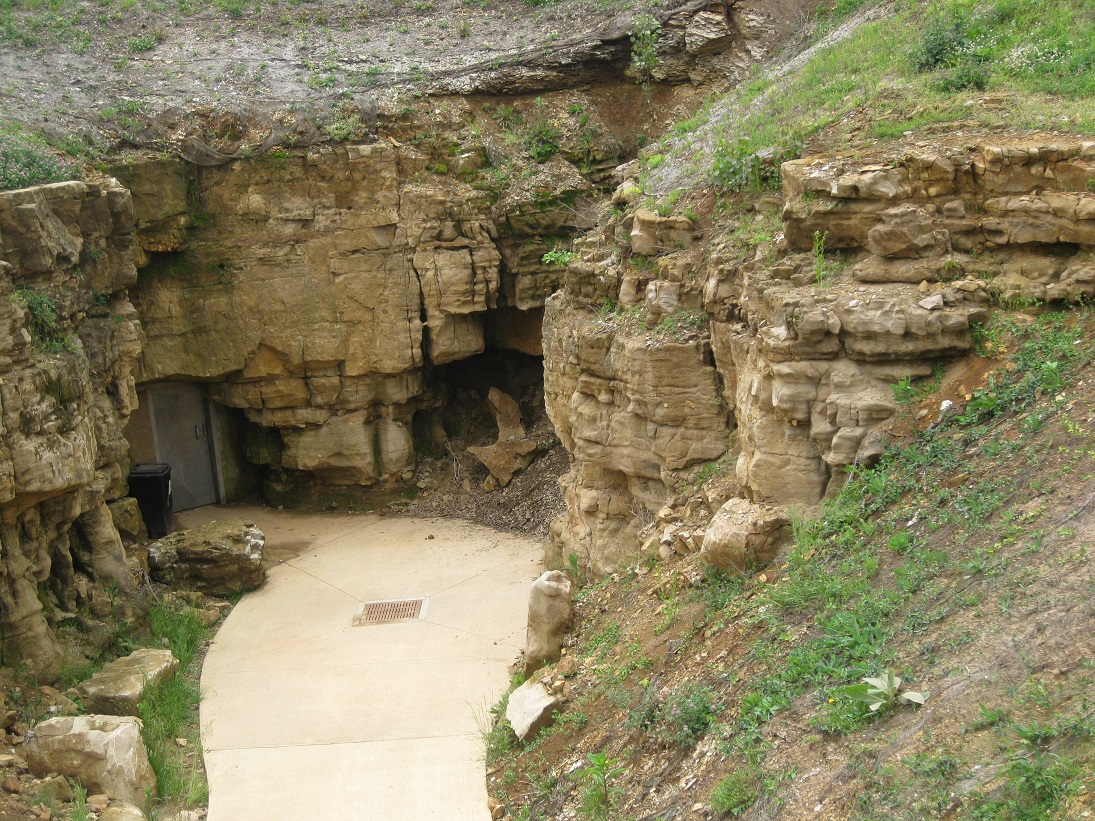
All your classier caves come equipped with doors.

All your classier caves come equipped with doors.

Sixty miles northwest of Columbus, surrounded by endless acres of corn, lie the Ohio Caverns. Betsy and I drove there Saturday to check them out.

The caverns are 54° F all year long, though you end up a bit colder than that, on account of the water that drips from the ceiling onto your hands, your head, and down the back of your shirt. Still, it was a welcome change from the summer heat.

Click to enlarge.

Click to enlarge.

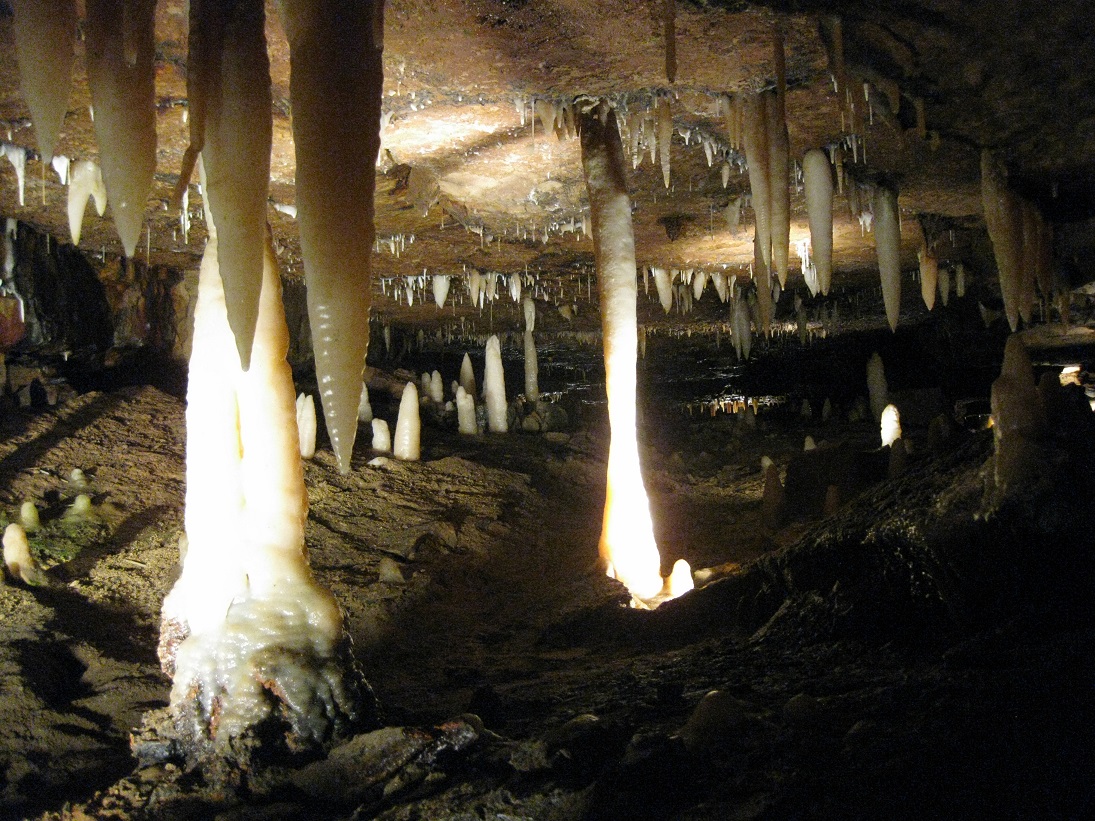
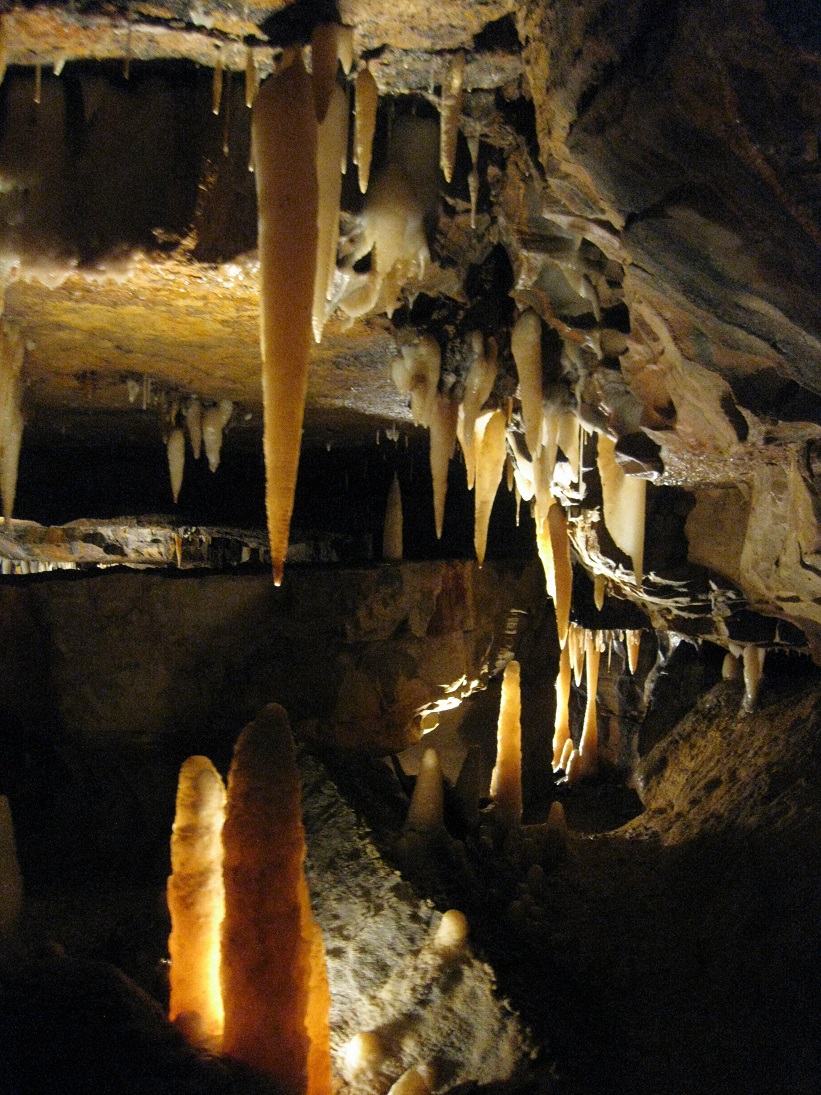
This particular cave system was formed by an underground river, carving a path through the limestone over thousands of years. The stalactites (“hanging tight to the ceiling”) and stalagmites (which “might someday reach the ceiling”) are simply the accumulated remains of water dripping in the same spot for millennia.

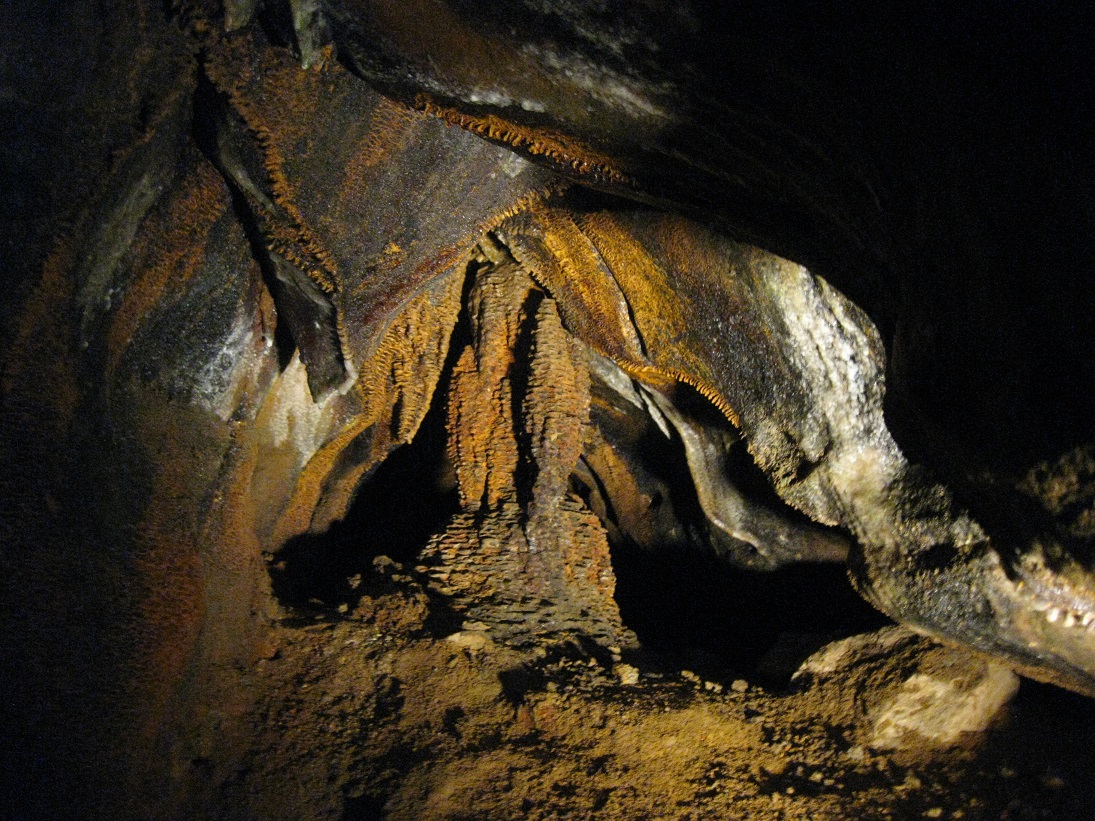
Rust (iron oxide) in its natural form.

Rust (iron oxide) in its natural form.

Apparently, the caverns were discovered in 1897 when a 17-year-old farm worker noticed that the water would pool up in a certain area of the land, then drain away. He wanted to find out where it went.

Now we know. The process of excavation took decades, but I’d say it was worth it.

What do we call it when a stalactite and stalagmite merge? We call 'em columns. Ha! Call 'em columns. omg do you get it

What do we call it when a stalactite and stalagmite merge? We call ’em columns. Ha! Call ’em columns. omg do you get it (Our tour guide actually made this joke. I liked it.)

It’s a strange feeling, walking on the raw rock under the surface of the earth. You find yourself in the presence of ancient, alien structures, the result of processes that operate on a truly geological time scale. They began thousands of generations before you were born, and absent some major calamity, they will continue for thousands of generations after you die.

It’s easy to forget, because of countless movies and photos like these, that there is no light underground. The Ohio Caverns are wired up with artificial lamps, of course, but when they flip them off – as they did for a minute during our tour – you find out what absolute darkness looks like. Supposedly, enough time in the dark will atrophy your eye muscles, leaving you blind.

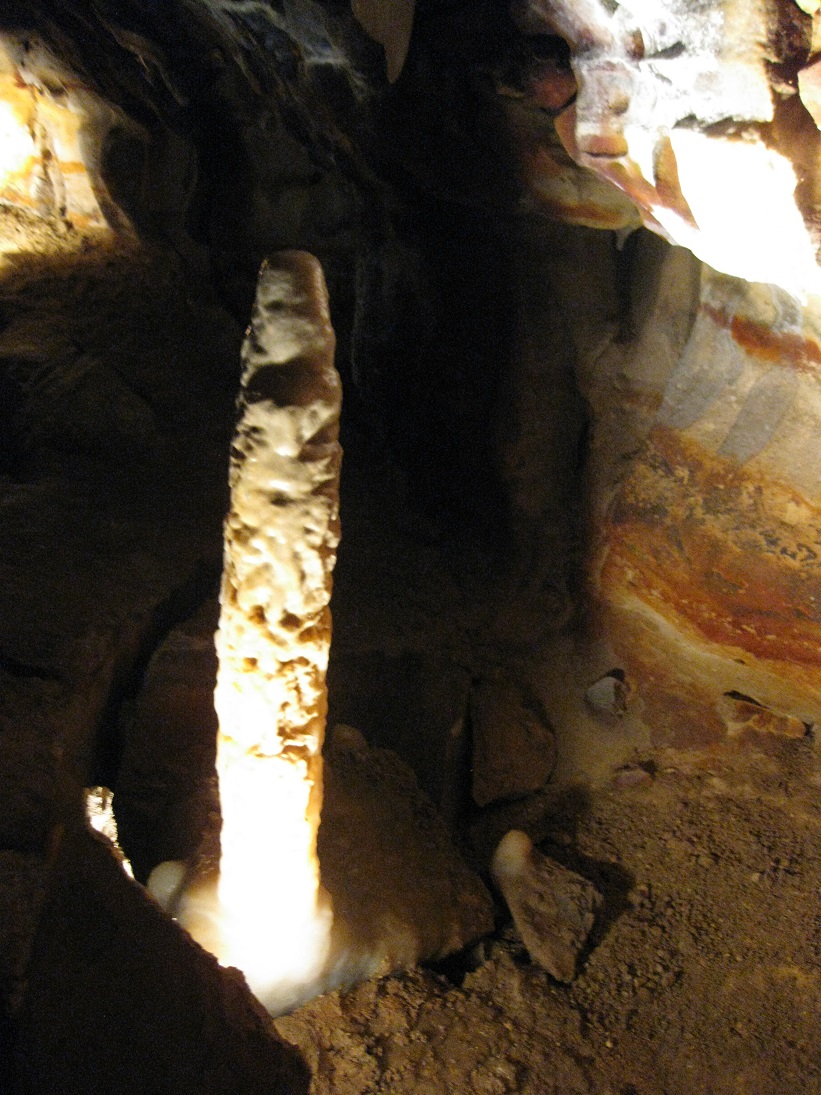
Back in 1925, they actually encouraged visitors to touch this stalagmite for good luck. That advice lasted only a year. It's still filthy from the skin oils today.

Back in 1925, they actually encouraged visitors to touch this stalagmite for good luck. That advice lasted only a year. It’s still filthy from the skin oils today.

Even with the artificial light, photos are tricky. Your flash goes off by default, but it washes out the picture and makes it ugly. So you have to disable the flash and hope for the best. These photos are the ones that turned out okay, culled from a herd of blurry rejects.

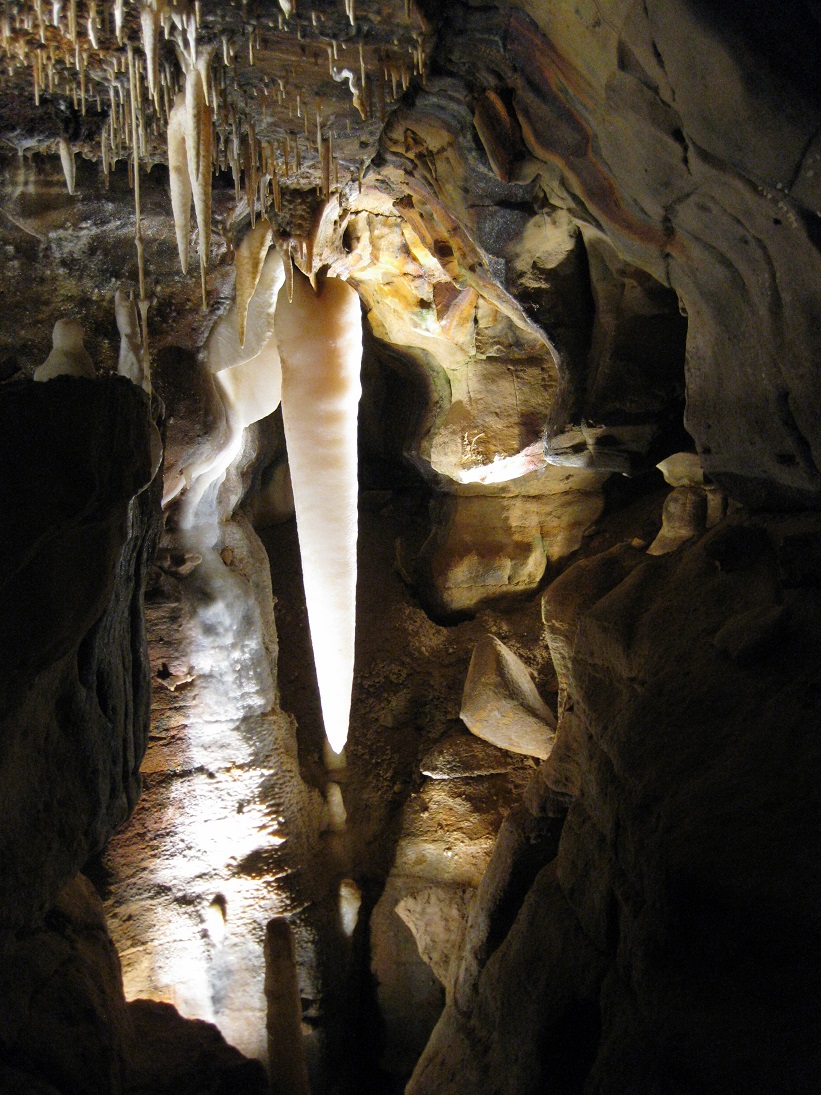
The Crystal King, the largest stalactite in the caverns.

The Crystal King, the largest (and therefore, presumably, the oldest) stalactite in the caverns.

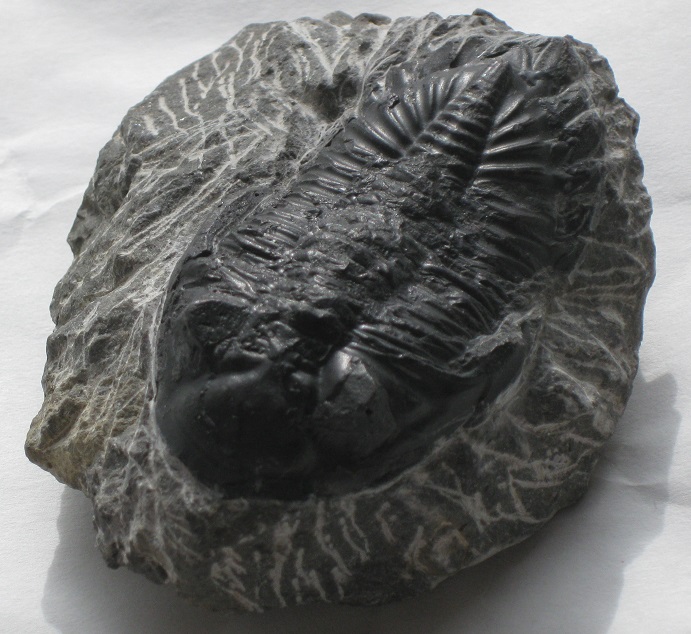
Of course, no tour is complete without a trip to the gift shop. This shop had a lot of stuff that wasn’t necessarily from the caverns themselves, but was still sort of cave-y or geological. For just $20, I snagged a trilobite:

The state fossil of Ohio, narrowly beating out such competition as "Can we even think of any other fossils?" and "Nobody cares."

The state fossil of Ohio, narrowly beating out write-in candidates “Can we even think of any other fossils?” and “Yo momma.”

Have you ever been in a cave?

New Theme

When Dave updated his blog’s header, it reminded me I’m long overdue for a site makeover myself. So I cracked open the Appearance menu, fired up Paint.NET, and got to work.

Let me know what you think. I updated the “Best of Buckley” links too.

Friday Links

Arkyd

Bill Nye, Brent Spiner, and MIT’s professor of planetary science are pumped about it. It’s being launched by the founder of the X Prize and a former NASA engineer. I’m talking about the ARKYD, the world’s first crowd-funded, publicly interactive space telescope. If you like the idea of a telescope that sixth graders, astronomers, and you can point at any corner of the sky – if you think space exploration should be exciting again – then this is a project you don’t want to miss.

wiki nearby

If you haven’t seen it, Wikipedia’s “nearby” feature is pretty sweet. It looks up articles for places that are near you, physically, as in latitude and longitude. To see it in action, you’ll have to allow your browser to send Wikipedia your location information.

spock

In 1968, a girl wrote a letter to Spock and mailed it to a teen magazine:

Dear Mr. Spock,
…I know that you are half Vulcan and half human and you have suffered because of this. My mother is Negro and my father is white and I am told this makes me a half-breed. In some ways I am persecuted even more than the Negro. The Negroes don’t like me because I don’t look like them. The white kids don’t like me because I don’t exactly look like one of them either. I guess I’ll never have any friends.
F.C.
Los Angeles, Calif.

Leonard Nimoy took the time to reply to her personally. His response said, in part:

[Spock] replaced the idea of wanting to be liked with the idea of becoming accomplished…He said to himself: ‘…I will develop myself to such a point of excellence, intelligence and brilliance that I can see through any problem and deal with any crisis. I will become such a master of my own abilities and career that there will be a place for me. People of all races will need me and not be able to do without me.’

It’s worth reading his full response.

Carl Sagan

Carl Sagan says you’re awesome, and who am I to disagree? Animated gifs don’t come much better than this.

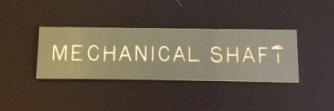
shaft

This may be the funniest thing I’ve seen all week.

barack

The Onion reports on Obama’s ongoing Twitter feud with the Audubon Society.

twogag

Two Guys and Guy has an important lesson for writers about how to handle rejection letters.

EOF

40-Minute Story: The Recitation

Marissa’s young face furrowed in concentration as she stood, holding the musty book. She propped elbows against hips to support its great bulk.

“The Spell of Knowledge,” she intoned, mimicking Ada’s stern recitations. But she spared a glance out the wide window, which flooded the cramped library room with late morning sun. It was springtime, outside.

Marissa shifted uncomfortably as she bore the book’s weight. Why did all these spells have to be bound in a single heavy volume? Shouldn’t there be a better way to organize them?

“First invocation,” Ada commanded. She studied Marissa intently from the dim corner where she sat, plump hands folded on her russet robe. Marissa’s own coarse sleeves itched at her wrists, but she knew better than to try and scratch.

“H, T, T, P,” she pronounced. “Colon!” Now she raised her left arm and chopped the air twice, quickly, so as not to drop the spellbook. “Slash, slash!”

Her gestures were sloppy, she knew, but Ada said only, “Second invocation.”

Marissa hesitated. “It says ‘Optional,’ Madam.”

“You will know the long forms as well as the short.”

“Yes, Madam.” It was a brief line anyway. “Double-U, double-U, double-U.” She stabbed the air. “Dot!”

“The pronouncement.”

Sternly now, drawing out the two syllables of the word of power. “GOO-gle.”

“And the coda.”

“Dot co. Dot U, K.”

“You may sit.”

Marissa sat down more quickly than was proper, resting the book on her lap and rubbing the fire from her biceps. “How was that?” She nearly added, Can I go outside now? but thought better of it.

Ada sighed. “Dearest Marissa,” she said. “I love you like my own daughter, but I worry what will become of a girl who cannot focus her mind on these crucial tasks. You know we are the only tome-readers left in this village. Your brother is out toiling in the corn field, sweating under the sun. Without the proper daily recitations, for Fortune and Increase and even Knowledge, the crops will die and his hard work will be for nothing. Mind, I said proper recitations, with purpose and a full heart, and a focused spirit.”

Marissa slumped in disappointment. There would be no escape this morning. “Did I not read the passage correctly, Madam?”

“Correctly? Hmph! Do you suppose correctness is all a spell requires? It isn’t just the words, child. You must mean it from your toes to your scalp. But you would rather be out there, playing in the yard with your…your strange toys…”

“They aren’t toys!” Arguing never worked, but she couldn’t help herself. “They’re the pieces of an old transistor radio, from before the Worldfire. If I could just put them together right, I know I could…well, I don’t know what, but those old machines have to do something!”

Ada rose. “Do you know the story of your name, Marissa?”

“Yes, Madam.” If she was getting the name lecture, there was definitely no escape this morning.

“Your namesake was Marissa Mayer, the great sorceress. She, too, lived before the Worldfire. She helped write the Google spells, and she led the wizards of Yahoo. She had a purpose, child. A passion for her work, for her magic. Do you think she wasted her time on these, these…what did you call them? Transistors?”

Marissa bowed her head, though not with humility. She was hiding the rebellion in her eyes. But she stayed silent.

“Study the tomes, child,” said Ada. “There will be time enough later for games.”

Deb Stewart’s Art Show

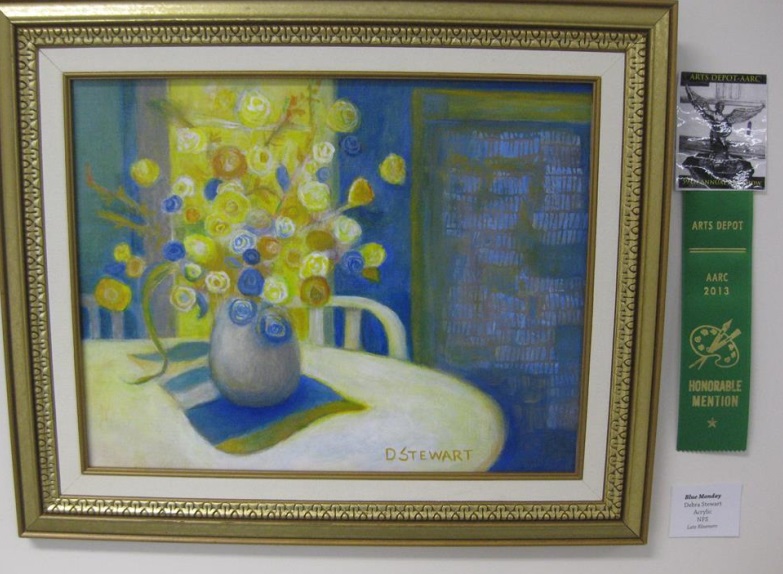
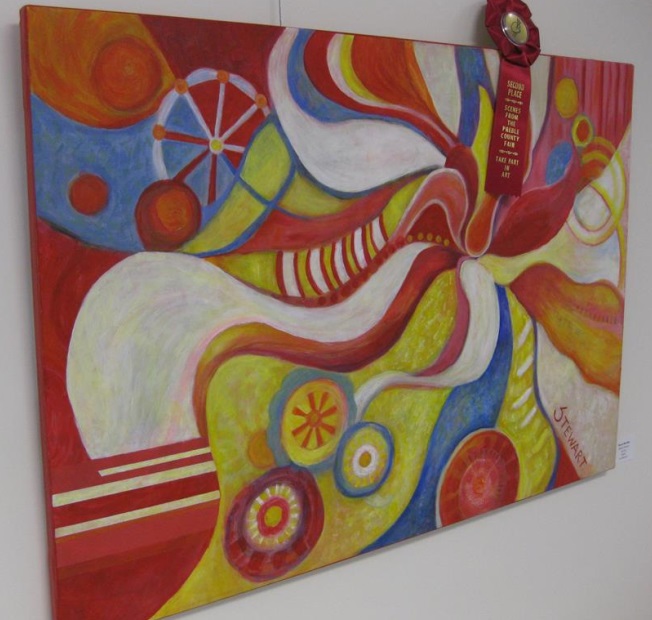
"Blue Monday"

“Blue Monday”

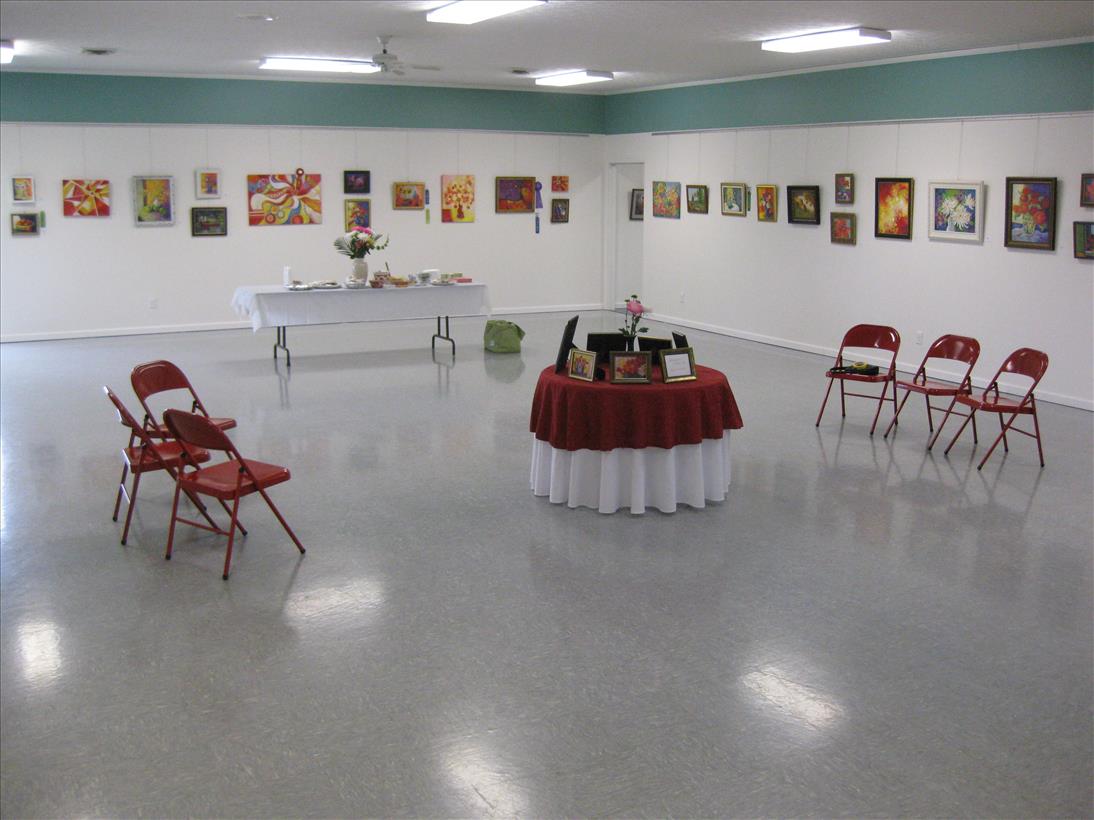
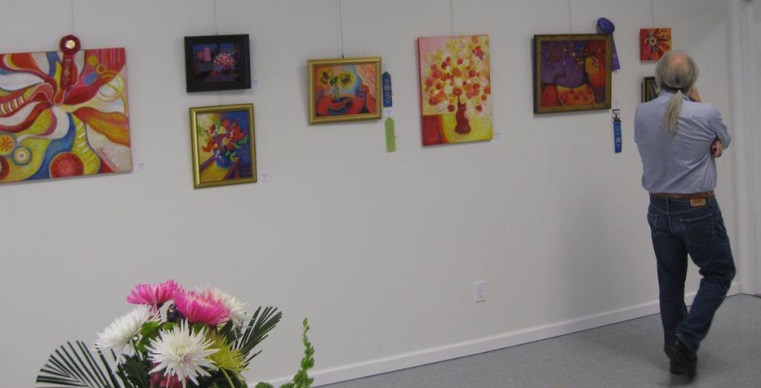
Deb Stewart is my mom. She’s also a painter who’s dedicated years of hard work to her art, and this month, it all paid off.

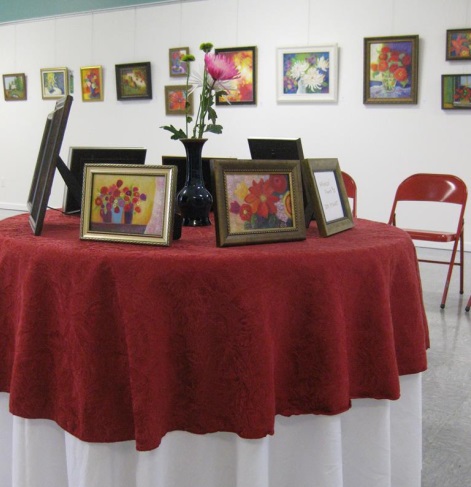
Over a dozen of her paintings were (and still are!) featured in the “Late Bloomers” art show hosted by the Preble County Art Association. On May 11, I got the chance to check it out.

As with all these photos, you can click to enlarge:

Show

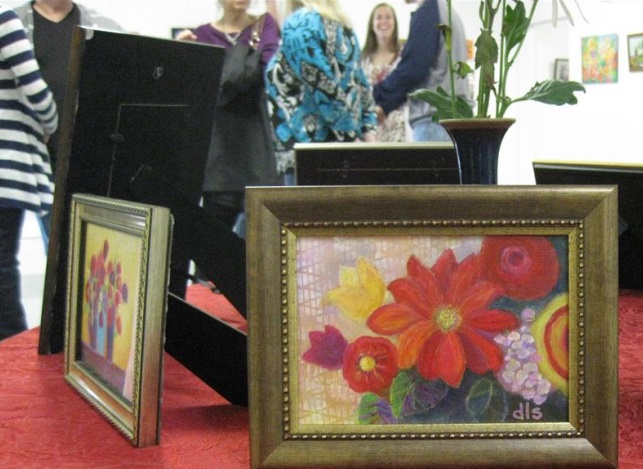
Table

Looking

Center Table

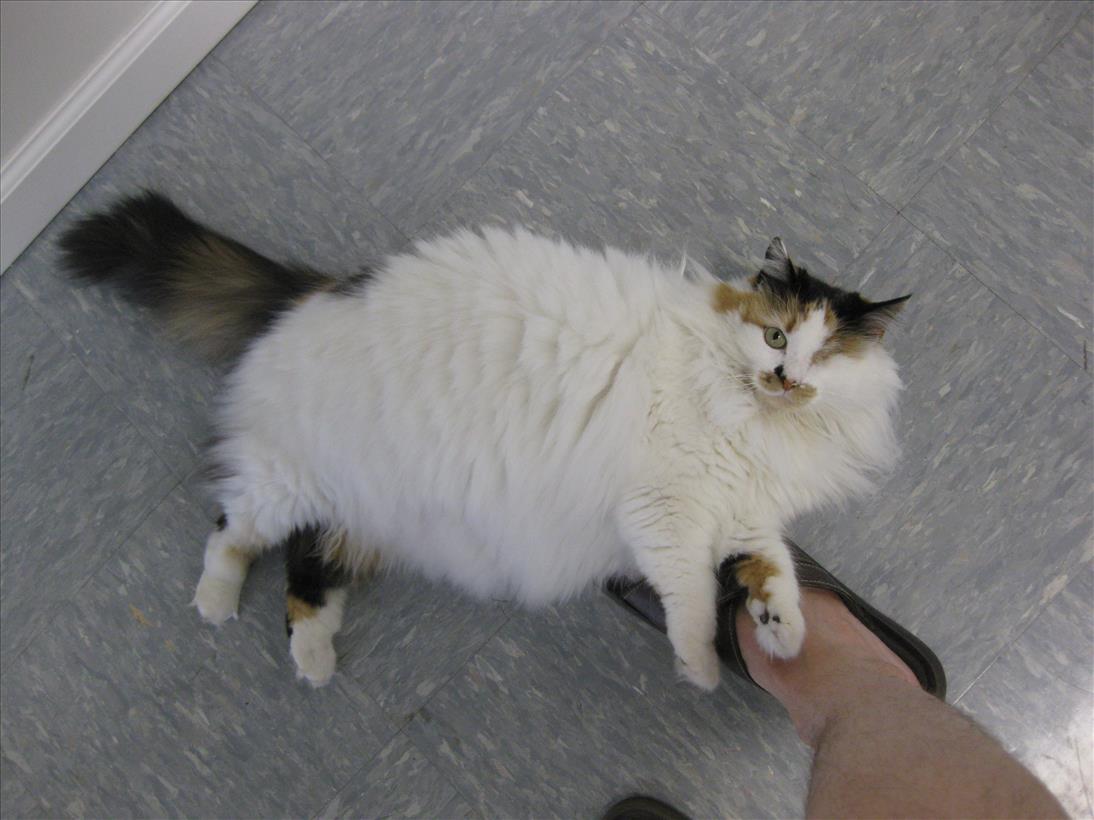
Of course, the art show’s adopted mascot – Glinda, the one-eyed cat – kept careful watch on the proceedings.

Closeups of some individual paintings:

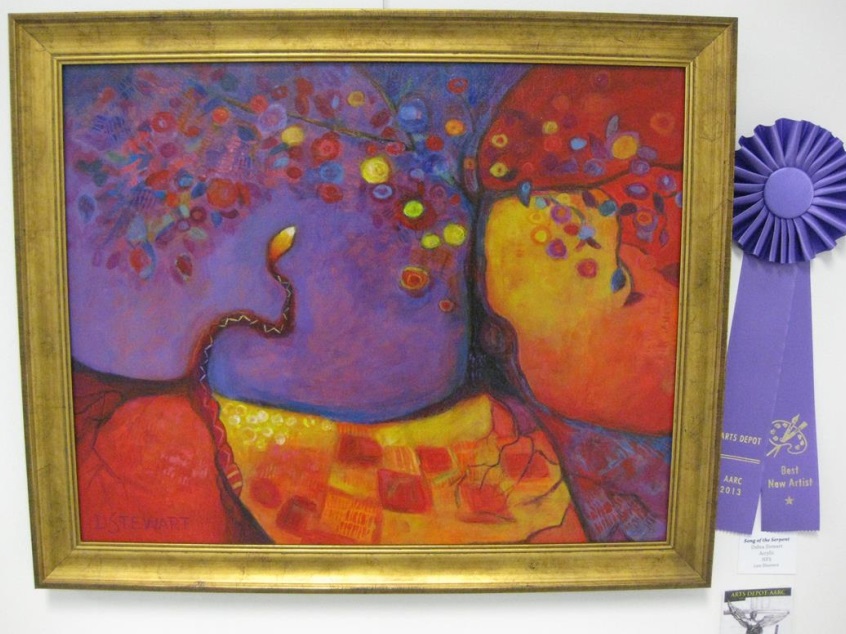
"Song of the Serpent"

“Song of the Serpent” – One of my absolute favorites. I love the explosion of color, the mysterious surrealism.

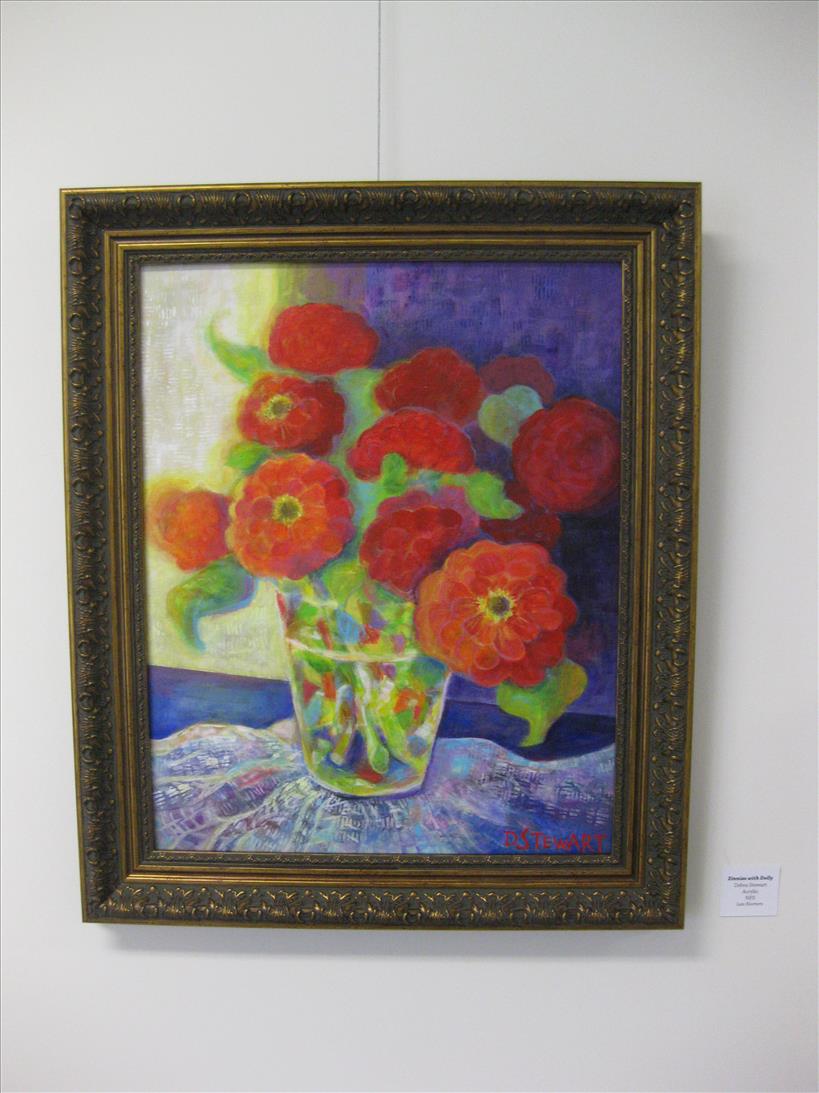
"Zinnias with Doily"

“Zinnias with Doily” – Notice the detail on the doily.

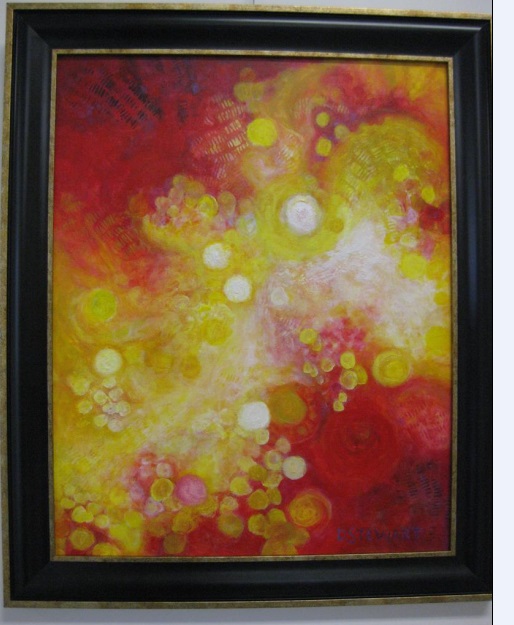
"Exuberance"

“Exuberance” – Another of my favorites. This one sold already.

Center Table Closeup

"Summer Daydreams"

“Summer Daydreams” – One of her older paintings, with a clear, crisp style. See how she uses contrasting colors (yellow and purple) to make the background interesting?

"Mixed Blessings"

“Mixed Blessings”

"Fun at the Fair"

“Fun at the Fair”

"Contemplation"

“Contemplation” – Look at the detailed texture in the upper left of the green area.

"Bloomburst"

“Bloomburst”

I can’t tell you how proud I am of what she’s accomplished.

AI: Revelations

python

For a long time, my AI strategy has been:

  • First, figure out the AI’s knowledge structure – the way knowledge is stored inside its mind. You’d think this would be easy, but the problem of knowledge representation turns out to be nontrivial (much like the Pacific Ocean turns out to be non-dry).
  • Once I know how to represent knowledge, I will begin work on knowledge acquisition, or learning.

To me, this order made sense. A mind must have a framework for storing information before you can help it learn new information.

Right?

Well, for the past week, I’ve tackled the problem from the opposite direction. I’ve pushed aside my 5,000+ lines of old code (for the moment) and started from scratch, building an algorithm that’s focused on learning.

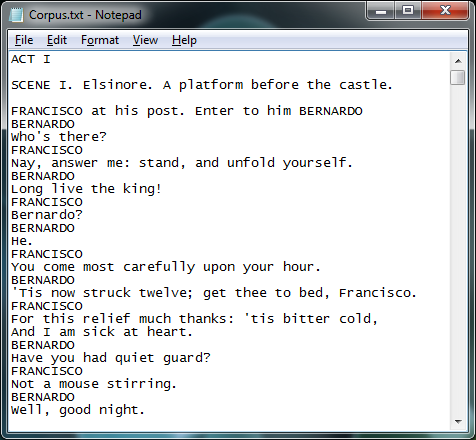
The result is a little program (less than 200 lines long) that reads in a text file and searches for patterns, with no preconceived notions about what constitutes a word, a punctuation mark, a consonant, or a vowel. For instance:

corpus

This AI-in-training makes short work of Hamlet, plowing through the Bard’s masterpiece in about ten seconds. The result is a meticulous, stats-based tree of patterns. I can examine any particular branch that starts with any letter or letters I like.

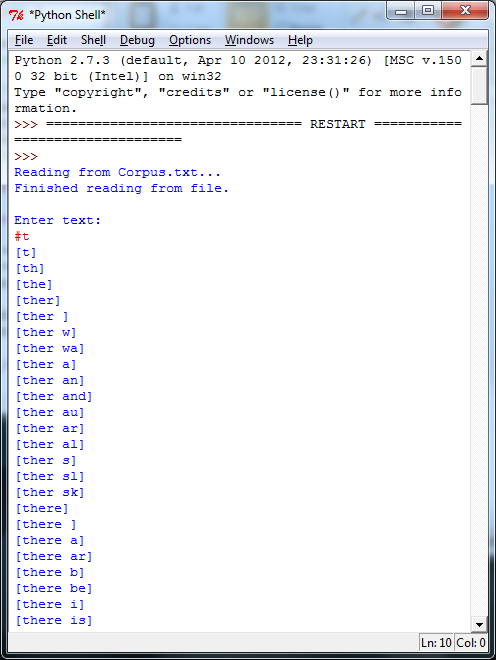
Here I’m looking at all the patterns it found, that start with “t”:

python output

The full list is much longer, but already you can see it’s picked up some interesting patterns. It’s noticed “the” and “there”, and it’s noticed that both are often followed by a space. It’s even started picking out which letters most commonly start the next word. And it’s noticed a pattern of words ending in “ther”, presumably “mother”, “father”, “together”, “rather”, and their kin.

This algorithm is cool, but rather limited at the moment. It can notice correlations between letters, and fairly simple strings, but it doesn’t do well with more complex patterns. I won’t bore you with the details, but rest assured I’m working on it.

In the meantime, AI is fun again. I mean, it was mostly fun before, but I was entering a dry spell where the work had started feeling like a chore. Every now and then, a fresh perspective helps get you excited again.

In this case, it also showed me that I had my strategy backwards. Just as you can’t build an ontology and weld on input/output later, it turns out likewise that you can’t build an ontology and weld on learning. Learning, it appears, must come first. The how determines the what.

And this new direction is fun for another reason, too.

Till recently, I’d been coding in C++. Now C++ is a white-bearded, venerable patriarch of a language: time-tested, powerful, respected by all. But it’s also a grumpy old man who complains mightily about syntax and insists you spend hours telling it exactly what you want to do.

This new stuff, on the other hand, I’m coding in Python. Python is a newer language, not as bare-bones efficient as C++ but a hell of a lot simpler from the programmer’s point of view, shiny and full of features and full of magic. And I’m new to Python myself, so I’m still in the honeymoon phase. I’m not saying one or the other is “better” overall, but right now, Python is a lot more fun.

And really, programming ought to be fun. Especially if you’re building a mind.

Memorial Day

No post on Monday, blog returns Tuesday. Enjoy your long weekend if you have one.